Fitness and nutrition
Protein calculator: how much protein do men need?
The RDA is 0.8 g/kg; active men need 1.4–2.0 g/kg a day. Work out your number, see high-protein foods, and decide whether you need protein powder.
We may earn a commission when you buy through links on this page. As an Amazon Associate I earn from qualifying purchases.
Quick answer
The RDA is 0.8 g of protein per kilogram of body weight, which is a floor for inactive adults. If you train, the International Society of Sports Nutrition says 1.4 to 2.0 g per kg a day is enough for most people building or keeping muscle: about 112 to 160 g for an 80 kg (176 lb) man. Spread it across three or four meals, get most of it from food, and use powder only to fill gaps.
Key takeaways
- The RDA of 0.8 g of protein per kg of body weight is a floor for inactive adults, not a target.
- If you train, 1.4 to 2.0 g per kg a day covers most men: about 112 to 160 g at 80 kg (176 lb).
- Spread it over three or four meals of about 20 to 40 g each. Total daily protein matters more than timing.
- Get most of it from food and use powder only to fill gaps. With kidney disease, follow your doctor instead.
Who this guide is for
Men who train and want a clear daily number, and men wondering whether they need protein powder at all.
When to see a doctor instead
If you have kidney disease or have been told to limit protein, follow your doctor's or dietitian's advice instead of these ranges.
Work out your number
Enter your weight below for your daily range. The table under it shows the same numbers for common weights, so it works without the calculator too.
| Body weight | RDA, inactive (0.8 g/kg) | Training (1.4–2.0 g/kg) |
|---|---|---|
| 60 kg (132 lb) | 48 g | 84–120 g |
| 70 kg (154 lb) | 56 g | 98–140 g |
| 80 kg (176 lb) | 64 g | 112–160 g |
| 90 kg (198 lb) | 72 g | 126–180 g |
| 100 kg (220 lb) | 80 g | 140–200 g |
| 110 kg (243 lb) | 88 g | 154–220 g |
Food first: easy high-protein foods
Approximate protein per typical serving:
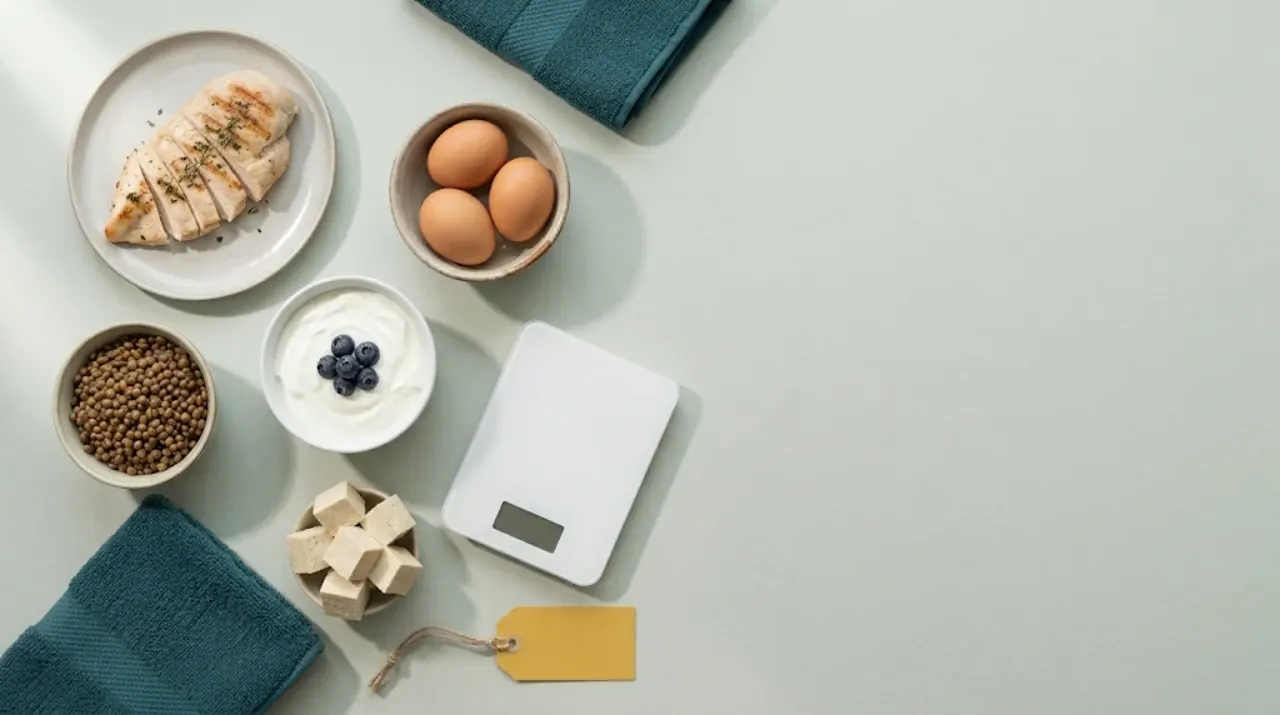
- Chicken breast, cooked, 150 g: about 45 g
- Canned tuna, drained, 1 can (about 140 g): about 30–35 g
- Greek yogurt, plain, 200 g: about 20 g
- Eggs, 3 large: about 18 g
- Cottage cheese, 200 g: about 22 g
- Lentils, cooked, 1 cup: about 18 g
- Firm tofu, 150 g: about 20–25 g
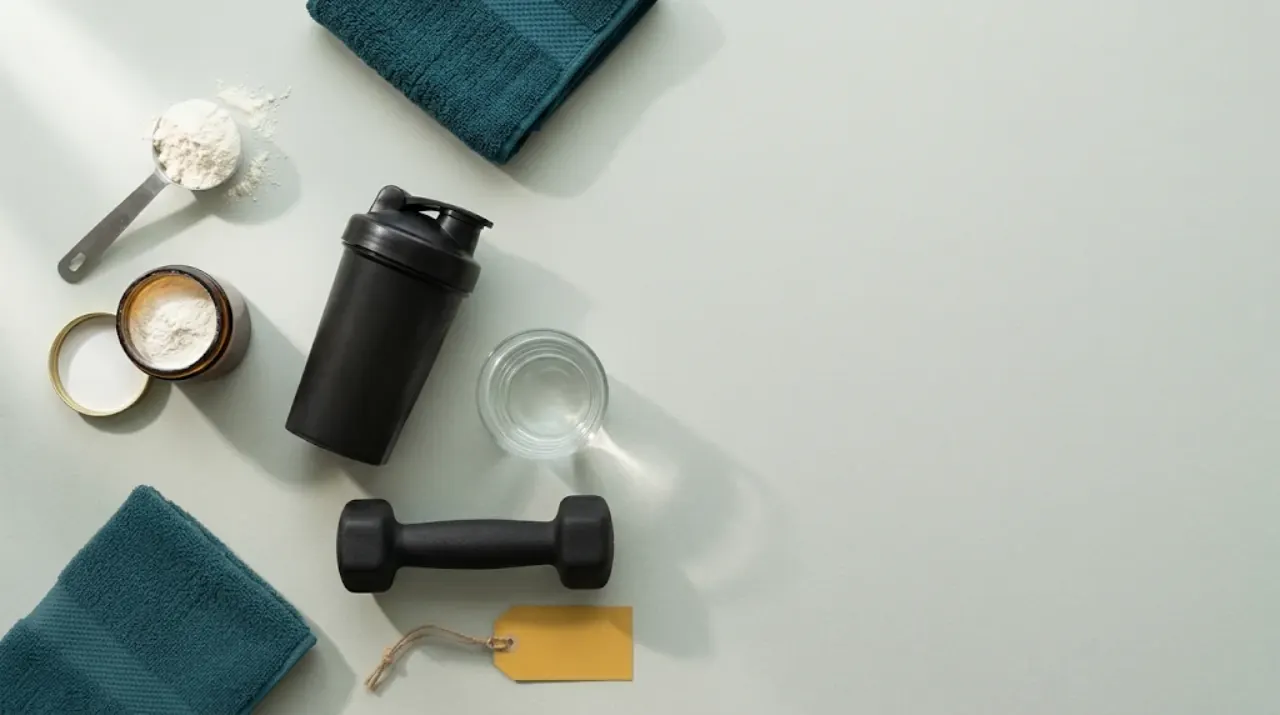
- Whey protein, 1 scoop: about 20–25 g
Check labels for exact numbers; brands and cuts vary. Pairing protein with fiber (beans, lentils, oats, vegetables) keeps you full longer.
Do you need protein powder?
No, if you already hit your number with food. Many adults already eat enough protein, and nutrition experts have warned that the current "protein maxxing" trend is driven more by marketing than need.
Powder is useful when you're short: busy mornings, after training, or on a plant-based diet. Treat it as food, not magic.
Is a high-protein diet safe?
For healthy, active people, the ISSN says intakes of 1.4–2.0 g/kg a day are safe and not harmful to kidney function or bone. People with kidney disease are different and should follow medical advice.
Myth: you must eat protein right after a workout
Total daily protein matters most. The ISSN notes that protein eaten before or after resistance training both support muscle building, so you don't need to race to a shake within 30 minutes. Aim for 20–40 g per meal spread across the day.
The right gear for this job
How we chose: these picks match the advice above, based on published specs, ingredient lists, track record and value. We haven't hands-on tested every item yet; tested notes will be marked when added. No brand paid to be here. Our method.
-
Best whey
Optimum Nutrition Gold Standard 100% Whey
Researched, not yet tested by us
About 24 g of protein per scoop, many flavors, and a long track record. Mixes well with water or milk.
Check price on Amazon for Optimum Nutrition Gold Standard 100% Whey (opens in a new tab) -
Easiest to digest
Dymatize ISO100 Hydrolyzed Whey Isolate
Researched, not yet tested by us
A whey isolate with very little lactose and fat, often easier for sensitive stomachs.
Check price on Amazon for Dymatize ISO100 Hydrolyzed Whey Isolate (opens in a new tab) -
Plant-based
Orgain Organic Vegan Protein Powder
Researched, not yet tested by us
Pea, rice and chia protein for men who avoid dairy.
Check price on Amazon for Orgain Organic Vegan Protein Powder (opens in a new tab) -
Food scale
Etekcity Digital Kitchen Food Scale
Researched, not yet tested by us
Weighing food for a week or two teaches you what 30 g of protein actually looks like.
Check price on Amazon for Etekcity Digital Kitchen Food Scale (opens in a new tab) -
Shaker
BlenderBottle Classic Shaker
Researched, not yet tested by us
Mixes powder smoothly without a blender.
Check price on Amazon for BlenderBottle Classic Shaker (opens in a new tab)
Prices and availability change, so we link to Amazon instead of listing prices. As an Amazon Associate I earn from qualifying purchases.
Questions men ask
Can you eat too much protein?
Healthy, active people tolerate high intakes well, according to the ISSN. Beyond your needs, extra protein just adds calories and crowds out other foods.
How much protein per meal?
About 20–40 g per meal, spread over three or four meals, works for most men.
Is plant protein as good as whey?
It can be, if you eat enough and mix sources like beans, grains, soy and nuts across the day.
Do I need protein on rest days?
Yes. Muscle repair continues on rest days, so keep your daily total steady.
Sources
Keep reading
Fitness and nutrition
Best protein powders for men: whey, isolate and plant
Fitness and nutrition
High-protein breakfasts in 5 minutes: 10 ideas with 25–40 g
Fitness and nutrition
Creatine for men: what it does, how to take it, and which kind to buy
Fitness and nutrition